Cordless Convenience: The Final Verdict
In the modern era of technology, convenience is king. Among the many innovations that have reshaped our daily lives, cordless devices stand out as a game-changer. From vacuum cleaners to power tools, and from kitchen appliances to personal grooming gadgets, the shift from corded to cordless has revolutionized how we interact with technology. But is cordless truly the superior choice? This article examines the advantages, drawbacks, and long-term implications of cordless convenience to deliver a final verdict.
The Rise of Cordless Technology
The concept of cordless devices is not new, but advancements in battery technology, wireless connectivity, and energy efficiency have propelled them into mainstream adoption. Early cordless tools were often criticized for weak performance and short battery life. However, lithium-ion batteries, brushless motors, and fast-charging capabilities have addressed many of these concerns, making cordless devices more powerful and reliable than ever before.
Advantages of Cordless Devices
1. Unmatched Portability and Freedom
The most obvious benefit of cordless devices is the elimination of restrictive power cords. Users can move freely without worrying about finding an outlet or tripping over cables. This is particularly advantageous for:
- Vacuum cleaners – Cleaning becomes faster and more efficient without the hassle of plugging and unplugging.
- Power tools – Construction and DIY projects are easier when workers aren’t tethered to a power source.
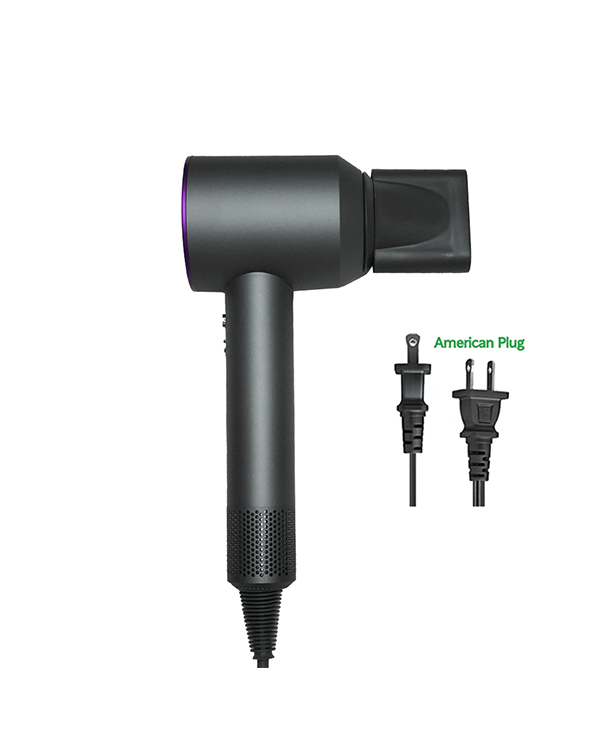
- Personal grooming devices – Shavers, trimmers, and hair dryers are far more convenient without cords.
2. Improved Safety
Cordless devices reduce risks associated with tangled wires, electrical hazards, and accidental disconnections. This is especially important in environments like workshops, kitchens, and bathrooms where water and electricity can be a dangerous mix.
3. Space Efficiency
Without cords, devices are easier to store and transport. Many cordless gadgets are designed with compact, lightweight forms, making them ideal for small living spaces or on-the-go use.
4. Technological Advancements
Modern cordless devices often incorporate smart features such as:
- App connectivity (e.g., adjusting settings via smartphone).
- Battery indicators (to prevent sudden shutdowns).
- Eco-friendly power modes (extending battery life).
Drawbacks of Cordless Convenience
Despite their many benefits, cordless devices are not without limitations.
1. Battery Life and Charging Time
Even with lithium-ion batteries, runtime remains a concern. Heavy-duty tools may drain power quickly, requiring frequent recharging. While fast-charging helps, it doesn’t eliminate downtime. Corded devices, in contrast, provide continuous power as long as they’re plugged in.
2. Higher Initial Cost
Cordless devices are generally more expensive than their corded counterparts due to advanced battery technology. Additionally, replacement batteries can be costly, adding to long-term expenses.
3. Environmental Concerns
Batteries degrade over time and eventually need replacement, contributing to electronic waste. Improper disposal can harm the environment. While some companies offer recycling programs, the issue remains a significant drawback.
4. Performance Limitations
While many cordless devices now match corded models in power, some high-demand applications (e.g., industrial machinery, high-powered vacuums) still benefit from direct electrical connections.
The Final Verdict: Is Cordless Worth It?
The answer depends on individual needs and use cases.
For Everyday Consumers: Yes
For most households, cordless devices offer a perfect balance of convenience and performance. The freedom of movement and ease of use outweigh the occasional need to recharge. Products like cordless vacuums, electric toothbrushes, and handheld blenders have become staples of modern living.
For Professionals: It Depends
Professionals in construction, woodworking, or cleaning services may still prefer corded tools for heavy, continuous use. However, many tradespeople now rely on cordless options for their portability, with spare batteries to mitigate downtime.
For the Environment: A Mixed Impact
While cordless devices reduce clutter and improve efficiency, their reliance on batteries poses sustainability challenges. Consumers should prioritize brands with strong recycling initiatives and opt for devices with replaceable, long-lasting batteries.
Conclusion
Cordless technology has undeniably transformed how we interact with everyday tools and appliances. The convenience, safety, and portability they offer make them a superior choice for most users. However, battery limitations, cost, and environmental concerns mean that corded devices still have a place in certain scenarios.
Ultimately, the final verdict is clear: cordless convenience is here to stay, but smart purchasing decisions and responsible usage are key to maximizing its benefits while minimizing drawbacks. As battery technology continues to evolve, the gap between corded and cordless will likely narrow further, making cordless the dominant choice in the near future.
 Dongguan Allgreen Intelligent Technology Co., Ltd.





 Phone
Phone
Comment
(0)