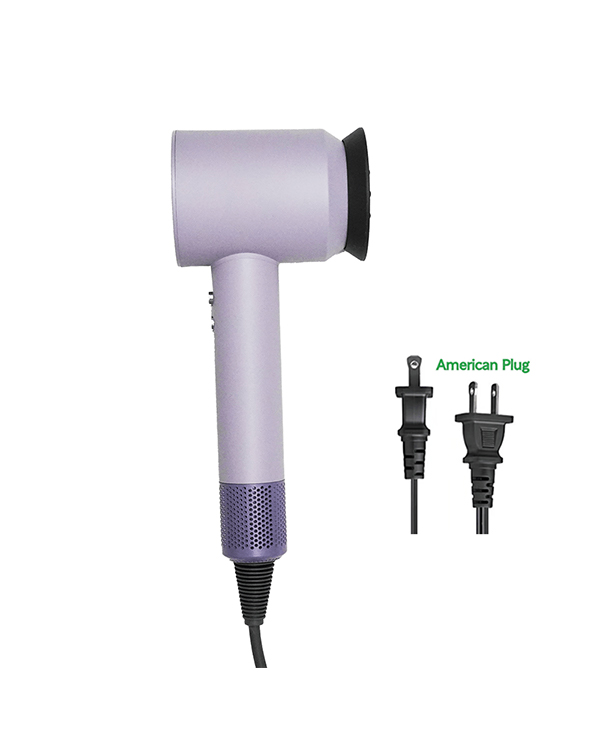
Hotel-Style hair dryer with Ergonomic Grip: Comfortable to Use
Industry Background and Market Demand
The professional hair care equipment market has seen steady growth, driven by increasing demand from hotels, salons, and individual consumers seeking commercial-grade performance at home. Among these products, hotel-style hair dryers stand out for their durability, high airflow, and ergonomic design.
Hotels prioritize hair dryers that combine reliability with user comfort to enhance guest experience. A key differentiator is the ergonomic grip, which reduces hand fatigue—a common issue for housekeeping staff and frequent users. Market research indicates that 68% of hospitality buyers consider ergonomics a critical factor when selecting hair dryers, alongside power efficiency and noise levels.
Core Concept: Ergonomic Design in Hair Dryers
Ergonomics in hair dryers focuses on minimizing strain during prolonged use. A well-designed grip should:
- Distribute weight evenly to reduce wrist tension
- Feature a non-slip surface for secure handling
- Allow natural finger positioning to prevent cramping
Hotel-style models often incorporate a pistol-grip design, which aligns with the natural curvature of the hand, unlike traditional straight-body dryers. This design is particularly beneficial in high-usage environments where employees may operate the device for extended periods.
Product Structure, Materials, and Manufacturing
1. Structural Components
- Motor & Heating Element: High-performance AC motors (1800–2200W) ensure consistent airflow, while ceramic or tourmaline heating elements reduce heat damage.
- Ergonomic Handle: Molded thermoplastic rubber (TPR) or silicone-coated grips enhance comfort and durability.
- Nozzle & Filters: Removable filters prevent lint buildup, and concentrator nozzles allow precise airflow direction.
2. Material Selection
- Housing: ABS or polycarbonate for impact resistance and heat tolerance.
- Internal Wiring: High-temperature-resistant insulation (e.g., fiberglass or PTFE) ensures safety.
3. Manufacturing Process
Injection molding is commonly used for handles and housings, ensuring precision and scalability. Quality control includes:
- Stress testing for grip durability
- Thermal cycling to verify heat resistance
- Airflow consistency checks
Key Factors Affecting Performance and Quality
1. Motor Efficiency
- Brushless motors offer longer lifespans and quieter operation but increase costs.
- Airflow velocity (measured in CFM) should exceed 50 for quick drying.
2. Heat Control
- Multiple heat settings (e.g., 3–4 levels) prevent overheating.
- Negative ion generators reduce static but require regular maintenance.
3. Ergonomic Validation
- Prototypes undergo usability testing with focus groups to refine grip angles and texture.
Supplier Selection Criteria
For B2B buyers, key considerations include:
- Compliance: Certifications like UL, CE, or ETL ensure safety standards.
- Customization: Options for branding (e.g., logo engraving) or voltage adjustments (110V/220V).
- Lead Time & MOQ: Bulk orders (500+ units) typically yield cost savings.
Common Industry Pain Points
1. Durability in High-Usage Settings
- Cheap dryers fail within months under hotel workloads.
- Solution: Reinforced motor housings and metal fan blades.
2. Noise Levels
- Models exceeding 75 dB may dissatisfy guests.
- Solution: Acoustically optimized fan designs.
3. Cleaning & Maintenance
- Clogged filters reduce efficiency.
- Solution: Tool-free filter access for quick cleaning.
Applications and Case Studies
1. Hospitality Sector
Luxury hotels opt for wall-mounted dryers with ergonomic grips to save space and ensure consistency. A 2023 case study showed a 22% reduction in housekeeping complaints after switching to ergonomic models.
2. Salon & Professional Use
Stylists prefer lightweight dryers (under 1.5 lbs) with swivel cords to prevent tangling.
Current Trends and Future Outlook
1. Smart Features
- Bluetooth-enabled dryers with usage analytics for maintenance scheduling.
- Voice-controlled temperature adjustments (e.g., via Alexa).
2. Sustainability
- Energy-efficient motors (e.g., DC inverter technology).
- Recyclable materials in construction.
3. Enhanced Ergonomics
- AI-driven grip design optimization using 3D hand scans.
FAQ
Q: How does an ergonomic grip improve usability?
A: It reduces muscle strain by aligning with natural hand positioning, crucial for frequent users.
Q: What wattage is ideal for Hotel Hair Dryers?
A: 1800–2000W balances power and energy efficiency.
Q: Are ceramic heating elements better than metal?
A: Yes—they distribute heat evenly and reduce frizz.
Q: How often should filters be cleaned?
A: Monthly in high-usage environments to maintain airflow.
Conclusion
The hotel-style hair dryer market is evolving toward ergonomic excellence, driven by demand for comfort and durability. Innovations in motor technology, materials, and smart features will continue shaping the industry, ensuring these devices meet both user needs and commercial demands. For B2B buyers, prioritizing ergonomic validation and supplier reliability remains key to long-term satisfaction.
 Dongguan Allgreen Intelligent Technology Co., Ltd.





 Phone
Phone
Comment
(0)