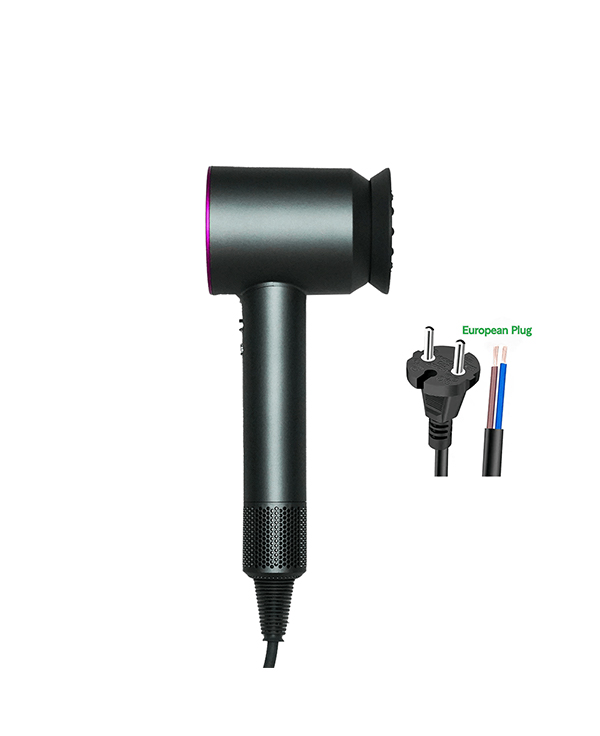
Powerful hair dryer – Essential Tool for Efficient Styling
Industry Background and Market Demand
The professional hair care industry has seen steady growth, driven by increasing consumer demand for salon-quality results at home and in commercial settings. A Powerful Hair Dryer is no longer a luxury but a necessity for stylists and consumers who prioritize efficiency, durability, and performance. According to market research, the global hair dryer industry is projected to expand at a CAGR of 5.2% from 2023 to 2030, with professional-grade devices leading the segment.
Key factors influencing demand include:
- Time efficiency – Faster drying reduces styling time, crucial for salons.
- Energy efficiency – High-performance motors lower power consumption.
- Durability – Commercial use requires robust construction.
- Ergonomics – Lightweight designs minimize user fatigue.
Core Technology and Functionality
Modern hair dryers rely on advanced engineering to optimize airflow, heat distribution, and energy use. The primary components include:
1. Motor Technology
- AC Motors – Traditional, durable, but heavier.
- DC Motors – Lighter, quieter, and more energy-efficient.
- Brushless Motors – Increasingly popular for longevity and reduced maintenance.
2. Heating Elements
- Ceramic and tourmaline heating elements distribute heat evenly, minimizing damage.
- Ionic technology reduces static and frizz by emitting negative ions.
3. Airflow Optimization
- High-velocity airflow (measured in CFM – cubic feet per minute) ensures faster drying.
- Concentrator nozzles direct airflow precisely for controlled styling.
Product Structure and Manufacturing Considerations
A high-quality hair dryer consists of:
- Housing – Heat-resistant polymers (e.g., ABS, polycarbonate) for safety and durability.
- Internal Wiring – High-grade copper wiring for efficient power transfer.
- Filters – Removable filters prevent dust buildup, extending motor life.
- Controls – Variable heat and speed settings for customization.
Manufacturing processes focus on precision assembly, thermal resistance testing, and electrical safety compliance (e.g., UL, CE certifications).
Key Factors Affecting Performance and Quality
Several variables determine a hair dryer’s effectiveness:
1. Wattage (1500W–2200W) – Higher wattage enables faster drying but requires efficient heat control.
2. Airflow Velocity (≥70 CFM) – Critical for professional use.
3. Heat Settings – Multiple settings prevent overheating damage.
4. Noise Levels (<75 dB) – Lower noise improves user comfort.
5. Weight (<1.5 lbs for professional models) – Reduces hand fatigue.
Supplier and Supply Chain Considerations
For manufacturers and distributors, selecting reliable suppliers is crucial. Key criteria include:
- Motor Sourcing – Brushless DC motors from certified suppliers ensure longevity.
- Material Quality – Heat-resistant plastics and metals must meet safety standards.
- Regulatory Compliance – Suppliers should provide documentation for international certifications.
- Scalability – Consistent production capacity to meet demand fluctuations.
Common Challenges and Industry Pain Points
Despite advancements, several issues persist:
- Heat Damage – Excessive heat without proper ionic balance can weaken hair.
- Motor Burnout – Overuse or poor ventilation shortens lifespan.
- Counterfeit Products – Low-quality imitations compromise performance and safety.
- Energy Consumption – High-wattage models may not always be energy-efficient.
Applications and Use Cases
1. Salons & Spas – Require heavy-duty dryers with rapid drying capabilities.
2. Home Users – Prefer lightweight, multi-functional models with diffuser attachments.
3. Travel – Compact, dual-voltage dryers are in demand.
4. Barber Shops – Need high-torque motors for thick hair types.
Current Trends and Future Developments
The industry is evolving with:
- Smart Hair Dryers – Bluetooth connectivity for personalized heat settings.
- Sustainable Materials – Recycled plastics and biodegradable components.
- AI-Assisted Drying – Sensors adjust heat based on hair moisture levels.
- Wireless Models – Battery-powered dryers for portability.
FAQ
Q: How does ionic technology improve drying?
A: Negative ions break down water molecules faster, reducing drying time and static.
Q: What wattage is ideal for professional use?
A: 1800W–2200W provides optimal power without excessive heat damage.
Q: How often should filters be cleaned?
A: Monthly cleaning prevents airflow obstruction and motor strain.
Q: Are brushless motors worth the investment?
A: Yes—longer lifespan, quieter operation, and lower energy consumption justify the cost.
Conclusion
A powerful hair dryer is a critical tool for efficient styling, combining advanced motor technology, precise heat control, and ergonomic design. As the industry shifts toward smarter, more sustainable solutions, manufacturers must prioritize innovation while maintaining reliability. For B2B buyers, understanding key performance metrics and supplier standards ensures long-term value in a competitive market.
 Dongguan Allgreen Intelligent Technology Co., Ltd.





 Phone
Phone
Comment
(0)