Luxe Fashion hair dryer: Indulge in Stylish and Effective Drying
Industry Background and Market Demand
The global hair care appliance market has evolved significantly, with consumers increasingly prioritizing both performance and aesthetics. The demand for luxe fashion hair dryers reflects a shift toward premium, salon-quality tools that integrate advanced drying technology with sophisticated design. According to industry reports, the professional hair dryer segment is projected to grow at a CAGR of 5.8% from 2023 to 2030, driven by rising disposable incomes and heightened expectations for efficiency and durability.
B2B buyers, including salon chains, luxury hotels, and e-commerce distributors, seek devices that balance high-speed drying, heat control precision, and visual appeal. Unlike traditional models, modern luxury hair dryers cater to professionals who require consistent airflow, reduced noise, and ergonomic handling—features that justify premium pricing.
Core Technology and Key Innovations
The effectiveness of a luxe hair dryer hinges on three critical components:
1. Brushless DC Motor – Unlike conventional AC motors, brushless DC motors offer higher energy efficiency, extended lifespan (up to 1,000 hours), and reduced noise levels (below 60 dB). Their compact design allows for sleeker product profiles.
2. Ionic and Ceramic Technology – Negative ion generators minimize frizz by neutralizing static, while ceramic heating elements distribute heat evenly, preventing localized overheating.
3. Thermal Sensors and Microprocessors – Advanced models incorporate real-time temperature monitoring to prevent heat damage, adjusting airflow dynamically based on hair thickness and moisture levels.
Product Structure, Materials, and Manufacturing
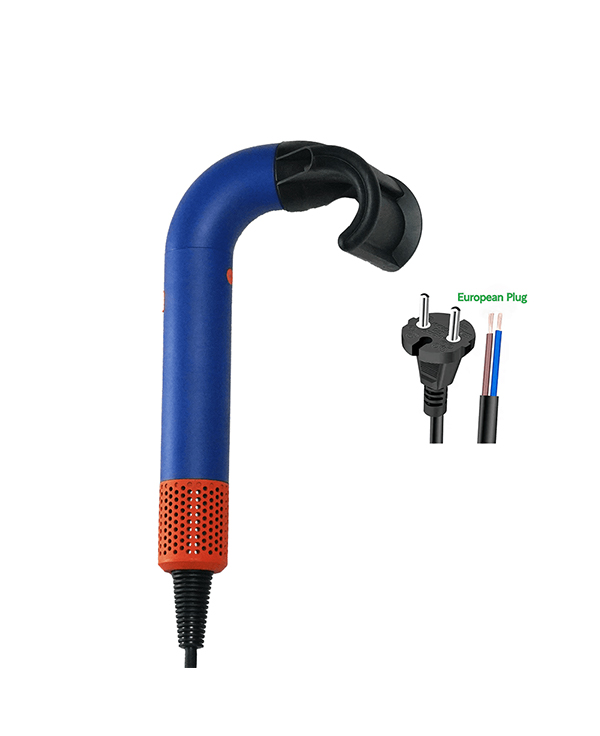
A high-end hair dryer typically consists of:
- Housing: Reinforced polycarbonate or aluminum alloys for heat resistance and lightweight handling.
- Heating Element: Ceramic-coated or tourmaline-infused components for uniform heat distribution.
- Nozzle Design: Magnetic attachments for easy interchangeability (e.g., concentrator nozzles for precision styling).
- Cord and Plug: Heavy-duty, tangle-resistant cords with international voltage compatibility (100–240V).
Manufacturers employ injection molding for precision housing and automated PCB assembly for motor control systems. Quality assurance includes wind tunnel testing for airflow consistency and accelerated aging tests for durability validation.
Critical Factors Affecting Performance
Several variables determine a luxury hair dryer’s reliability:
- Airflow Velocity (CFM): Optimal models deliver 90–110 CFM (cubic feet per minute) for fast drying without excessive heat exposure.
- Heat Settings: Multiple heat/speed combinations (e.g., 3 heat + 2 speed settings) accommodate diverse hair types.
- Ergonomics: Weight distribution (under 1.5 lbs) and grip design reduce fatigue during prolonged use.
- Regulatory Compliance: Certifications like UL (U.S.), CE (EU), and RoHS ensure safety and environmental standards.
Supplier and Supply Chain Considerations
B2B procurement teams evaluate suppliers based on:
- Component Sourcing: Partnerships with Tier 1 motor manufacturers (e.g., Nidec, Mabuchi) for reliable brushless motors.
- Production Capacity: Facilities with ISO 9001 certification and scalable output to meet bulk orders.
- Lead Times: Just-in-time inventory systems to minimize delays.
- Customization Options: OEM/ODM support for private-label branding and bespoke features.
Industry Challenges and Common Issues
Despite advancements, key pain points persist:
- Heat Damage Risks: Overheating remains a concern, particularly for fine or chemically treated hair.
- Noise Levels: Subpar acoustic engineering can lead to discomfort in professional settings.
- Counterfeiting: Knockoffs with inferior materials undermine brand reputation.
- Sustainability Pressures: Increasing demand for recyclable materials and energy-efficient designs.
Applications and Use Cases
1. Salons and Spas: High-volume usage demands commercial-grade durability and quick drying.
2. Luxury Hospitality: Five-star hotels provide premium dryers as an amenity, emphasizing quiet operation.
3. E-Commerce: Direct-to-consumer brands leverage aesthetic differentiation (e.g., matte finishes, rose gold accents) to attract style-conscious buyers.
Trends and Future Outlook
Emerging developments include:
- Smart Connectivity: Bluetooth-enabled dryers with app-based heat customization.
- Sustainable Materials: Biodegradable plastics and reduced packaging waste.
- AI-Powered Sensors: Adaptive drying algorithms that adjust to hair moisture in real time.
FAQ
Q: How does ionic technology benefit hair health?
A: Negative ions break down water molecules faster, reducing drying time and minimizing cuticle damage.
Q: What distinguishes a professional-grade dryer from consumer models?
A: Higher airflow (CFM), extended motor life, and advanced heat control cater to daily commercial use.
Q: Are brushless motors worth the investment?
A: Yes—they last 2–3x longer than brushed motors and operate more quietly.
Q: How can buyers verify supplier reliability?
A: Request third-party test reports, audit production facilities, and review OEM/ODM track records.
Conclusion
The luxe fashion hair dryer segment merges engineering excellence with design sophistication, addressing the needs of both B2B and discerning end-users. As technology advances, manufacturers must prioritize energy efficiency, ergonomic innovation, and supply chain resilience to maintain competitiveness. For procurement professionals, selecting a supplier with robust R&D capabilities and compliance adherence will be pivotal in securing market advantage.
 Dongguan Allgreen Intelligent Technology Co., Ltd.





 Phone
Phone
Comment
(0)