Travel Mini hair dryer: Lightweight and Efficient Solutions for Modern Needs
Industry Background and Market Demand
The global travel accessories market has seen steady growth, driven by increasing international tourism and the demand for compact, high-performance personal care devices. Among these, the travel mini hair dryer has emerged as a critical product segment, catering to both frequent travelers and hospitality providers.
Traditional hair dryers are bulky, energy-intensive, and often incompatible with international voltage standards. In contrast, lightweight and efficient mini hair dryers address these limitations while meeting consumer expectations for portability and performance. Market research indicates a rising preference for dual-voltage, foldable, and heat-controlled models, particularly among business travelers and hotel chains seeking cost-effective, space-saving solutions.
Core Technology and Design Principles
A travel mini hair dryer operates on the same fundamental principles as standard dryers but incorporates several key optimizations:
1. Compact Motor Technology – Advanced brushless DC motors reduce weight while maintaining airflow efficiency (typically 1.5–2.5 m³/min).
2. Heat Control Systems – Precision thermostats prevent overheating and minimize heat damage, a common concern with smaller dryers.
3. Voltage Adaptability – Dual-voltage compatibility (110V–240V) ensures global usability without external converters.
4. Foldable or Detachable Designs – Ergonomic handles and collapsible nozzles enhance portability.
These innovations ensure that mini hair dryers deliver performance comparable to full-sized models while meeting strict size and weight constraints.
Product Structure, Materials, and Manufacturing
The construction of a high-quality travel mini hair dryer involves several critical components:
- Housing – Durable ABS or polycarbonate plastics provide impact resistance while keeping weight under 1 lb (450g).
- Heating Element – Ceramic or tourmaline-coated elements ensure even heat distribution and reduce static.
- Airflow System – Optimized fan blades and vent designs maximize airflow efficiency with minimal noise (typically <75 dB).
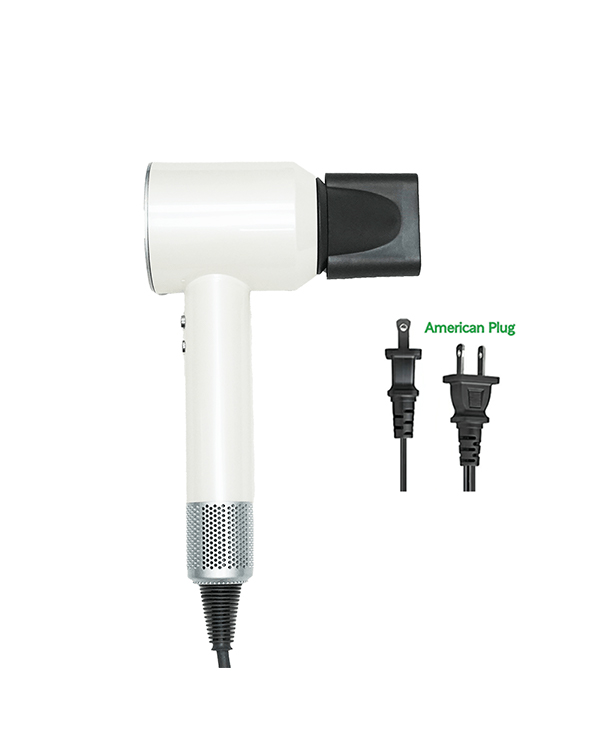
- Power Cord – Retractable or detachable cords improve storage convenience.
Manufacturing processes focus on precision molding, automated assembly for consistency, and rigorous testing for electrical safety (e.g., IEC 60335 compliance).
Key Factors Affecting Performance and Quality
Several variables determine the reliability and efficiency of a travel mini hair dryer:
1. Motor Efficiency – Lower-quality motors may overheat or lose power over time.
2. Thermal Regulation – Poorly calibrated thermostats can lead to uneven drying or safety risks.
3. Material Durability – Cheap plastics may warp under high temperatures.
4. Voltage Stability – Inconsistent power handling can damage internal components.
Leading manufacturers mitigate these risks through extensive R&D and third-party certifications (e.g., UL, CE).
Supplier Selection and Supply Chain Considerations
For B2B buyers, selecting a reliable travel mini hair dryer supplier involves evaluating:
- Technical Expertise – Proven experience in compact motor and heating system design.
- Compliance Certifications – Adherence to international safety and environmental standards.
- Scalability – Ability to meet bulk orders without compromising quality.
- After-Sales Support – Warranty policies and spare parts availability.
Many OEMs source components from specialized motor and electronics suppliers in China, Taiwan, or Germany, balancing cost and performance.
Common Challenges and Industry Pain Points
Despite advancements, several pain points persist:
- Battery Limitations – Cordless models often sacrifice power for portability.
- Heat Consistency – Smaller dryers may struggle with thick or long hair.
- Durability Concerns – Frequent travelers demand rugged designs resistant to drops and moisture.
Manufacturers are addressing these issues through improved battery tech, enhanced heat sensors, and military-grade material testing.
Applications and Use Cases
Beyond personal travel, mini hair dryers serve multiple industries:
- Hospitality – Hotels and cruise lines provide them as premium amenities.
- Salon Professionals – Stylists use compact models for mobile services.
- Emergency Kits – Included in disaster relief packs for hygiene maintenance.
A notable case is the adoption by European boutique hotels, where space-saving and energy-efficient models reduce operational costs.
Current Trends and Future Developments
Emerging innovations include:
- USB-C Fast Charging – Cordless models with universal charging compatibility.
- AI-Powered Heat Adjustment – Sensors that adapt to hair type in real time.
- Sustainable Materials – Biodegradable plastics and recyclable components.
The market is also shifting toward modular designs, allowing users to replace parts like filters or cords, extending product lifespan.
FAQ Section
Q: Can a mini hair dryer replace a full-sized model for daily use?
A: While high-end mini dryers offer comparable performance, they may require slightly longer drying times for thick hair.
Q: Are cordless Travel Hair Dryers practical?
A: Current battery technology limits runtime, making them ideal for short trips but less suitable for prolonged use.
Q: How do I verify a supplier’s product quality?
A: Request third-party test reports (e.g., CE, RoHS) and sample batches for real-world testing.
Q: What’s the average lifespan of a travel hair dryer?
A: Well-constructed models last 3–5 years with regular use, depending on motor and heat element quality.
In summary, the travel mini hair dryer market continues to evolve, driven by technological advancements and shifting consumer demands. For B2B stakeholders, prioritizing performance, durability, and compliance ensures long-term competitiveness in this growing niche.
 Dongguan Allgreen Intelligent Technology Co., Ltd.





 Phone
Phone
Comment
(0)