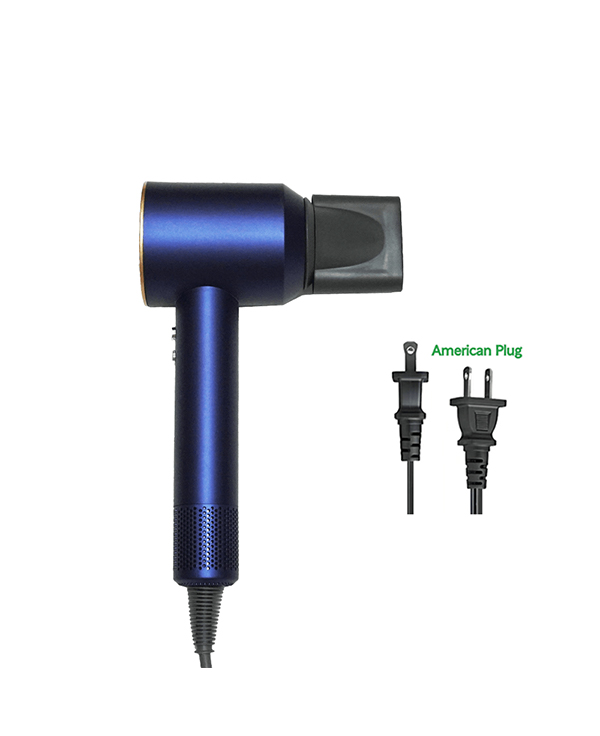
Travel-Ready Mini Portable hair dryer: Stylish and Functional
Industry Background and Market Demand
The global personal care appliance market has seen steady growth, driven by increasing consumer demand for compact, travel-friendly solutions. Among these, mini Portable Hair Dryers have gained traction due to rising international travel, business trips, and the need for efficient grooming tools on the go. According to market research, the Travel Hair Dryer segment is projected to grow at a CAGR of 5.8% from 2023 to 2030, with lightweight, high-performance models leading the trend.
Consumers prioritize devices that balance functionality with aesthetics, making mini portable hair dryers a key product category for manufacturers. The demand is particularly strong among frequent travelers, hotel chains, and fitness centers that provide premium amenities.
Core Technology and Key Features
A travel-ready Mini hair dryer must integrate several critical technologies to ensure performance without compromising portability:
1. Compact Motor Design – Advanced brushless motors reduce weight while maintaining airflow efficiency (typically 10–15 m/s).
2. Dual Voltage Compatibility – Auto-switching voltage (100–240V) ensures global usability.
3. Thermal Control Systems – Intelligent heat sensors prevent overheating and minimize hair damage.
4. Foldable or Detachable Components – Space-saving designs with collapsible handles or removable nozzles enhance portability.
Product Structure, Materials, and Manufacturing
Structural Components
- Housing – High-grade ABS or polycarbonate for durability and heat resistance.
- Heating Element – Ceramic or tourmaline-coated for even heat distribution.
- Fan Assembly – Axial or centrifugal fan designs optimized for low noise (<65 dB).
Material Selection
- Heat-Resistant Polymers – Withstand temperatures up to 180°C without deformation.
- Lightweight Metals – Aluminum alloys in motor housings reduce weight.
Manufacturing Process
- Injection Molding – Ensures precision in compact housing designs.
- Automated PCB Assembly – For consistent thermal and electrical safety compliance.
Critical Factors Affecting Performance
1. Airflow Efficiency – Measured in CFM (cubic feet per minute), with optimal mini dryers delivering 1.5–2.5 CFM.
2. Heat Settings – Multiple speed/heat options (typically 2–3 settings) for versatility.
3. Power Consumption – Energy-efficient models (800–1200W) balance drying speed and battery life (for cordless variants).
4. Ergonomics – Weight distribution and grip design impact user comfort during prolonged use.
Supplier and Supply Chain Considerations
Manufacturers must evaluate:
- Motor Suppliers – Brushless DC motor specialists with ISO 9001 certification.
- Thermal Component Providers – Ceramic heating element suppliers with RoHS compliance.
- OEM/ODM Partners – Factories with experience in small-appliance assembly and IEC/UL safety testing.
Common Industry Challenges
1. Battery Limitations – Cordless models often sacrifice power for portability.
2. Heat Damage Risks – Inadequate thermal regulation can degrade hair health.
3. Durability Concerns – Frequent travel increases wear and tear on folding mechanisms.
Applications and Use Cases
- Travel & Hospitality – Hotels and airlines provide compact dryers as premium amenities.
- Fitness & Wellness – Gyms and spas offer portable dryers for post-workout convenience.
- Daily Commuters – Professionals keep mini dryers in office or gym bags for quick touch-ups.
Current Trends and Future Developments
1. Smart Connectivity – Bluetooth-enabled dryers with app-controlled heat settings.
2. Sustainable Materials – Biodegradable plastics and recyclable components.
3. Fast-Drying Tech – Ionic and infrared drying for reduced heat exposure.
FAQ
Q: How does a mini hair dryer compare to full-sized models?
A: While less powerful, mini dryers prioritize portability and are sufficient for quick styling.
Q: Are cordless travel hair dryers viable?
A: Emerging lithium-polymer battery tech improves runtime, but most models still favor corded designs for consistent power.
Q: What certifications should a travel hair dryer have?
A: Look for CE, UL, or ETL marks, ensuring compliance with electrical safety standards.
Conclusion
The mini portable hair dryer market is evolving with innovations in motor efficiency, thermal management, and material science. For B2B buyers, selecting suppliers with robust R&D capabilities and compliance expertise will be crucial in meeting consumer expectations for stylish, functional, and travel-ready solutions. Future advancements will likely focus on energy efficiency and smart features, further solidifying this segment’s growth.
 Dongguan Allgreen Intelligent Technology Co., Ltd.





 Phone
Phone
Comment
(0)